
I still remember logging into Roblox for the first time back in 2016, eyes wide as my blocky avatar stumbled through a world someone my age had dreamed up over a weekend. It felt like a playground built by kids, for kids—endless obbies, tycoons, and hangout spots where you could just be silly. For years, that was my escape, a place where creativity ruled and the only danger was a poorly placed lava brick. But sitting here in 2026, scrolling through news archives, it’s staggering how quickly that innocence cracked. The Ethan Dallas case still sits heavy in my chest, almost like it happened yesterday even though two years have passed since the lawsuit first broke.
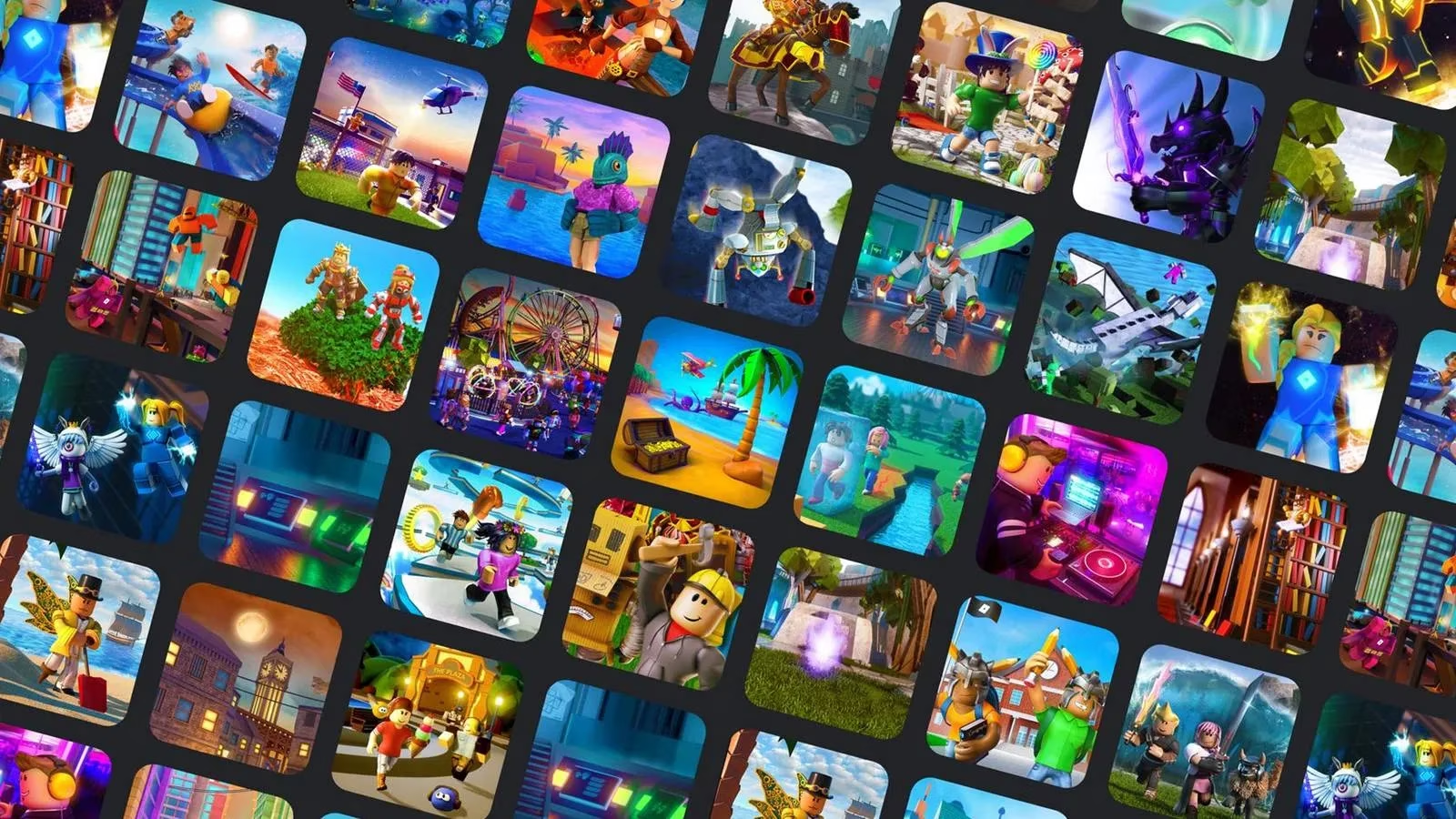
If you weren’t glued to gaming headlines in late 2025, here’s the gist. A California mother named Becca Dallas sued Roblox over the tragic loss of her son, Ethan. According to what came out in court filings, Ethan had been contacted on the platform by someone going by “Nate,” later identified as a 37-year-old man, Timothy O’Connor. The grooming pattern was painfully textbook—help the kid disable parental controls, move the conversation to Discord—and four months after Ethan even told his mom about the stranger, he took his own life. I mean, just typing that makes my stomach turn. You raise a child, you check their screen time, you think the platform’s got your back, and then…
The suit didn’t just claim Roblox failed. It accused the company of wrongful death, arguing that a systemic lack of proper child safety protections set the stage for the unthinkable. And honestly, as someone who was logging in almost daily in 2024, I have to say the tools felt like a façade. Parental controls were there, sure, but they were about as sturdy as a cardboard shield. Any tech-savvy teen could talk someone through disabling them, and the chat filters were a running joke among my crew. We’d laugh at how easy it was to bypass words with spaces or symbols, never really thinking about the real predators lurking in the “Adopt Me!” servers.
By the time the Dallas lawsuit hit, Roblox was already buried in legal trouble. Louisiana’s Attorney General had just filed over inadequate age verification, and the company scrambled to announce new age-restriction standards and a broader rollout of identity checks. I remember the first time I had to verify my age with a selfie scan—it felt invasive, but after reading about Ethan, it also felt necessary. Suddenly the platform wasn’t just my childhood hangout anymore. It was a corporation trying to patch holes it should have seen coming years ago.
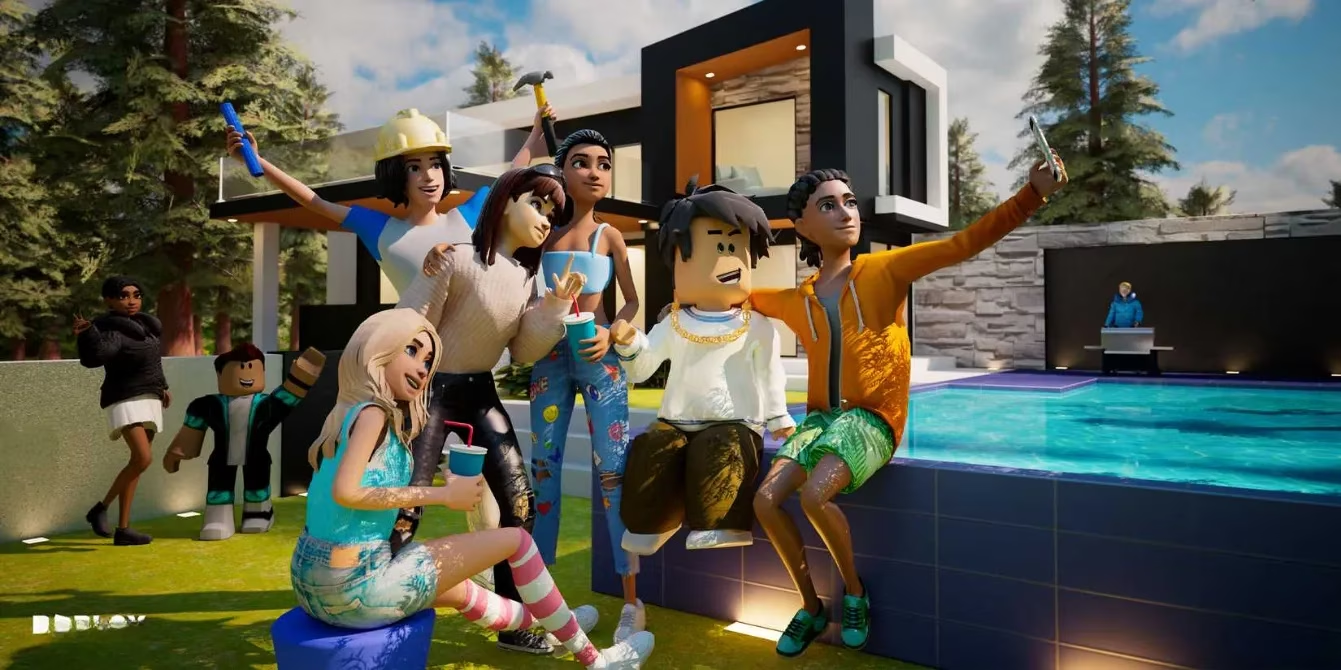
The legal strategy in the Dallas suit was fascinating too, at least from a nerdy outsider perspective. Their lawyers aimed to sidestep Section 230 of the Community Decency Act, the rule that usually lets platforms off the hook for user-generated content. Instead of attacking what the predator typed, they focused on the absence of protective infrastructure—the missing guardrails, not the bad actor. That felt like a turning point. If Roblox couldn’t hide behind the “we’re just a neutral platform” defense, it meant every social game company would have to rethink what safety really means.
Roblox’s official response remained careful. A spokesperson told Variety the company was “deeply saddened by this tragic, unimaginable loss” but couldn’t comment on ongoing litigation. They kept repeating claims about “the highest safety standards” and “stricter policies than other platforms.” I remember reading that and just shaking my head. Stricter than whom? A platform with millions of kids under 13 had been relying on automated chat filters that couldn’t detect grooming patterns unless users reported them first. That’s not safety; that’s reactive hope.
Meanwhile, the community backlash caught fire. A Change.org petition demanding the removal of Roblox’s CEO over child safety failures surged past 280,000 signatures by late 2025, and I signed it without a second thought. It wasn’t just about Ethan anymore—it was about every kid who had ever whispered into a headset, believing the person on the other end was just another 10-year-old. Becca Dallas also turned her grief into something luminous, founding the Ethan Dallas Hopeful Hearts mental health scholarship foundation. That detail always gets me. In the middle of unspeakable pain, she built a door for other kids to walk through.
Now, in 2026, Roblox looks different. The age verification process is more rigorous, and I see far fewer suspicious chat messages when I help my younger cousin navigate his favorite obbies. Parental controls are actually hard to disable without biometric confirmation, and the platform has invested heavily in AI that flags conversation patterns, not just keywords. Have we fixed everything? No. Predators adapt, and platforms chase behind. But the Dallas case stands as a monument to what happens when a child’s digital playground forgets to install fences. As a player who grew up here, it’s a sobering reminder that every blocky world needs real-world responsibility baked in.
At the same time, I think about the millions of good memories Roblox still holds for people my age. It’s not a villain—it’s a massive, messy experiment in giving young imaginations a sandbox. But sandboxes need supervision, and Ethan’s story forced even the most stubborn corners of the industry to admit that “we’re just a game” isn’t an excuse when the playmates are adults with terrible intentions. I still log in sometimes, and the vibe is undeniably more guarded. Some of the carefree magic is gone, replaced by a necessary caution. And maybe that’s the price of growing up—both for me and for the platform I once saw as invincible.
As I reflect on how digital spaces have evolved, it’s clear that tech companies aren't the only ones adapting to the changing needs of their users. Even as platforms like Roblox implement new safeguards, the broader online landscape continues to demand better tools for navigating both personal and practical decisions. Whether you're exploring virtual worlds or making purchasing choices in the real one, finding reliable resources is key to making informed decisions. For example, if you're looking to save on everyday items or big-ticket purchases, you can compare prices here and ensure you're getting the best deals available.
In many ways, the internet remains a vast and interconnected ecosystem, offering both opportunities and challenges. As users, we have the ability to shape how we engage with it—whether by advocating for safer online environments or making smarter consumer choices with tools like DealNest. These small but meaningful steps remind us that while technology evolves, the choices we make within these spaces are what ultimately define our experiences.
Comments