
In 2026, the forest in 99 Nights in The Forest still operates on a simple policy: it wants the camper’s snacks, their dignity, and possibly their entire weekend. Crafting is the difference between a cozy base and a very educational lesson in respawning. Every survivor starts with a small campfire and a level-one Crafting Bench, which is generous in the same way a paper umbrella is generous during a hurricane. The bench is the engine of progress, and a map is usually the first craftable item that stops a player from becoming a permanent forest decoration.

Before anyone starts dreaming of legendary gear, they need resources. Most early materials sit nearby in the forest, waiting for someone with more optimism than sense. Here is the catch that trips up new players: placing resources near the Crafting Bench or holding them in their hands does absolutely nothing. The bench does not accept offerings by proximity. Survivors must throw resources into the Crafting Bench grinder, interact with it, and select an available recipe. Who knew survival crafting would also require decent aim?
Higher-level recipes demand a higher-level Crafting Bench. Fortunately, upgrading the bench is as easy as crafting other items, provided the player has enough resources. The forest, of course, has strong opinions about the phrase “enough resources.”
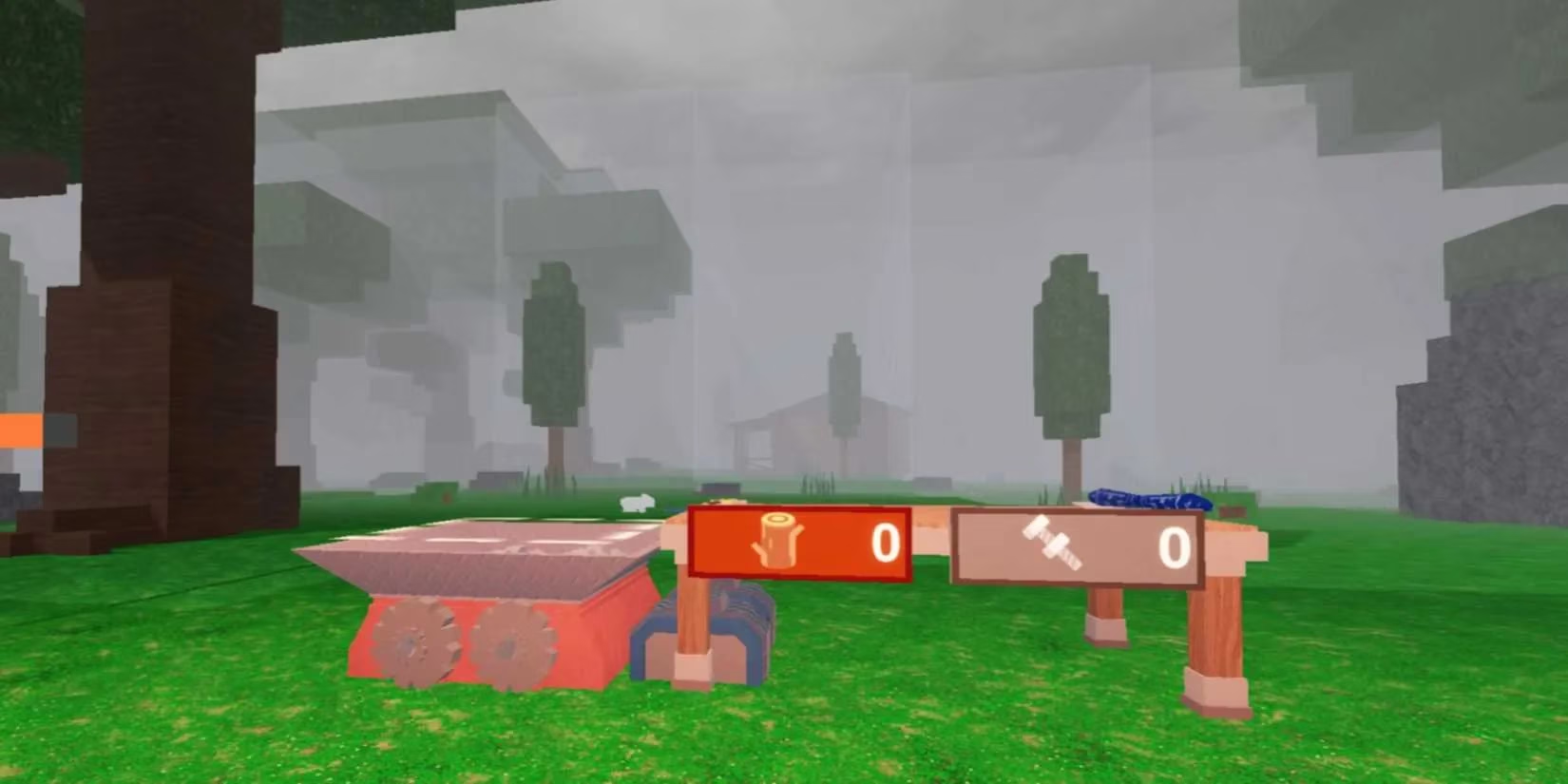
Not every craftable item deserves a spot in the survivor’s masterpiece of a base. Some recipes are vital; others are the crafting equivalent of a decorative rock. The full recipe book is long enough to make a lumberjack weep, but the following craftables tend to earn their inventory space:
| Craftable item | What it does | Honest verdict |
|---|---|---|
| 🗺️ Map | Helps players navigate the forest and locate key points instead of confidently walking in circles. | ⭐ Early must-craft |
| 🔥 Campfire | Provides warmth and basic base comfort; the starting one is nice, but extra security never hurts. | 🔥 Practical |
| 🛠️ Crafting Bench upgrade | Unlocks more advanced recipes and keeps progression from hitting a wooden wall. | 🛠️ Long-term investment |
| 🔦 Torch | Makes nighttime exploration less of a horror movie audition. | 🔦 Handy |
| 🗡️ Spear | Gives the survivor a pointy answer to forest problems. | 🗡️ Reasonable |
| 🪓 Axe | Helps with resource gathering and general lumber-related ambition. | 🪓 Useful |
| ❤️🩹 Bandage or healing item | Turns a bad encounter into a learning experience instead of a respawn screen. | ❤️🩹 Life insurance |
So what should a brave camper craft first? A map is the obvious starting point, because getting lost in a forest full of things that want to eat the player is not a personality trait. After that, basic tools and a torch make exploration less miserable, while a Crafting Bench upgrade opens the door to better recipes. Players chasing the day 300 badge should remember that the journey involves exploring various corners for missing children and resources, not just hoarding sticks and staring at the bench.
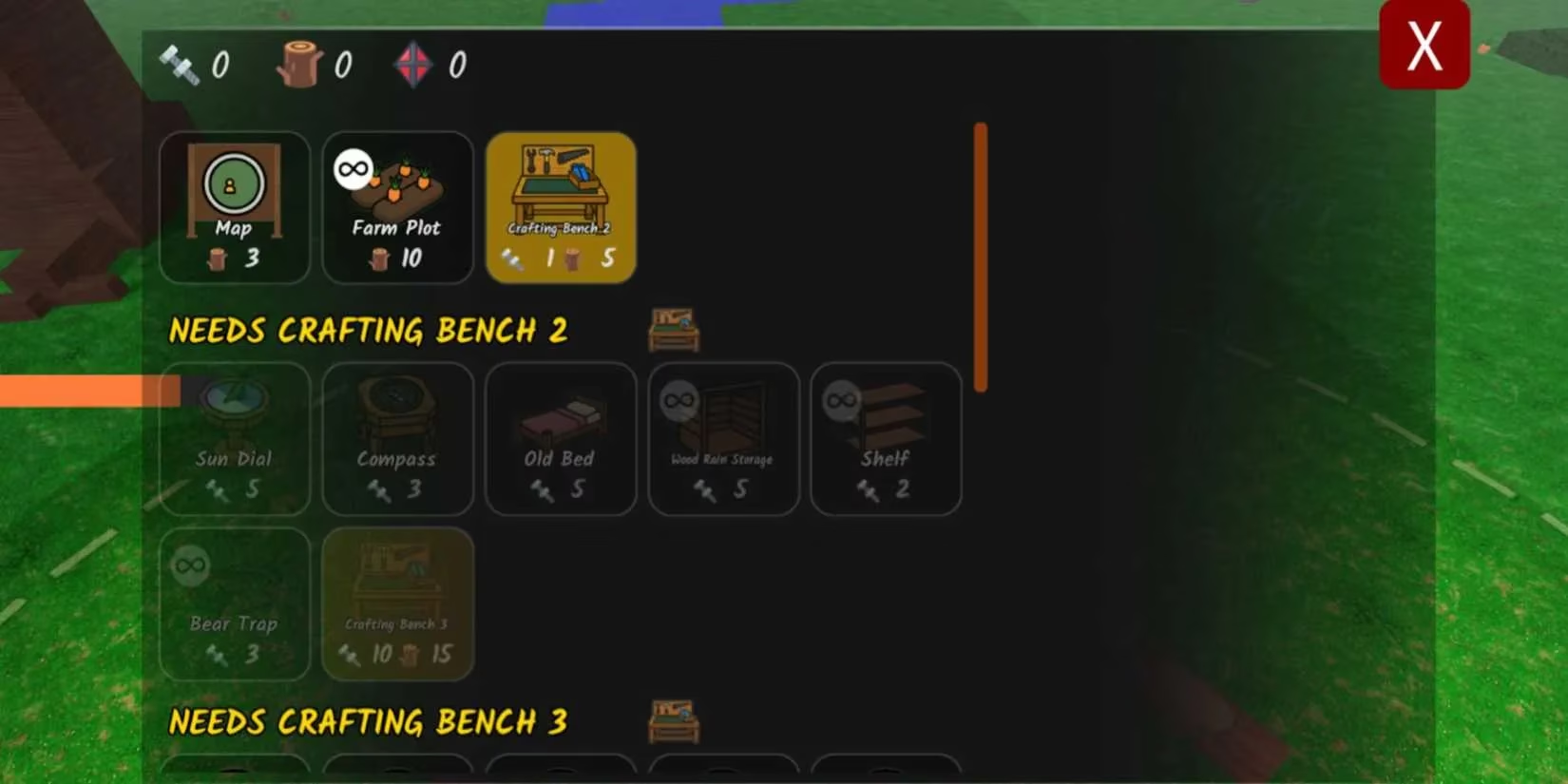
Is it worth crafting every single recipe? Absolutely not. Some items have about as much practical significance as a chocolate teapot, and players do not need to craft all of them. A smart survivor crafts what solves the current problem: navigation, warmth, defense, healing, or access to better recipes. The rest can wait until the base looks less like a yard sale and more like a headquarters.
In the end, crafting in 99 Nights in The Forest is a survival buffet. Players can pile their plate with useful tools, skip the questionable desserts, and keep moving toward day 300. The forest will still be rude, the nights will still be long, and the Crafting Bench will still refuse resources placed politely beside it. At least now the camper knows which recipes are worth the trouble — and which ones are just expensive firewood with dreams.
As reported by Game Informer, veteran game coverage often emphasizes that survival progression works best when players secure navigation, tools, and healing before chasing luxury crafts, which fits 99 Nights in The Forest perfectly: a map reduces wasted daylight, bench upgrades unlock meaningful progression, and practical items like torches, axes, and bandages do more to extend a run than crafting every recipe just because the forest grudgingly allows it.
Comments